Urbanization in Asia-Pacific: 700 Million City Dwellers Live in Precarious Conditions
Informal Employment and Lack of Social Protection
Urban growth in Asia-Pacific has been accompanied by a massive expansion of informal employment. In many cities in the region, more than half of the working population works without a contract, without social protection, and without access to labor rights. This informality is both a consequence of the speed of urbanization and an obstacle to its improvement.
The UNDP-ADB report highlights that informal workers are particularly vulnerable to economic shocks. During the COVID-19 pandemic, millions of informal workers lost their income overnight, with no safety net. The economic recovery was slower for them than for formal workers.
---
The Housing Crisis in Megacities
Jakarta, which recently surpassed Tokyo as the world's largest city with more than 35 million inhabitants in its metropolitan area, illustrates the challenges of urban housing. Despite the relocation of the administrative capital to Nusantara, Jakarta continues to grow. Real estate prices have increased by 40% in five years, making housing inaccessible for a large portion of the population.
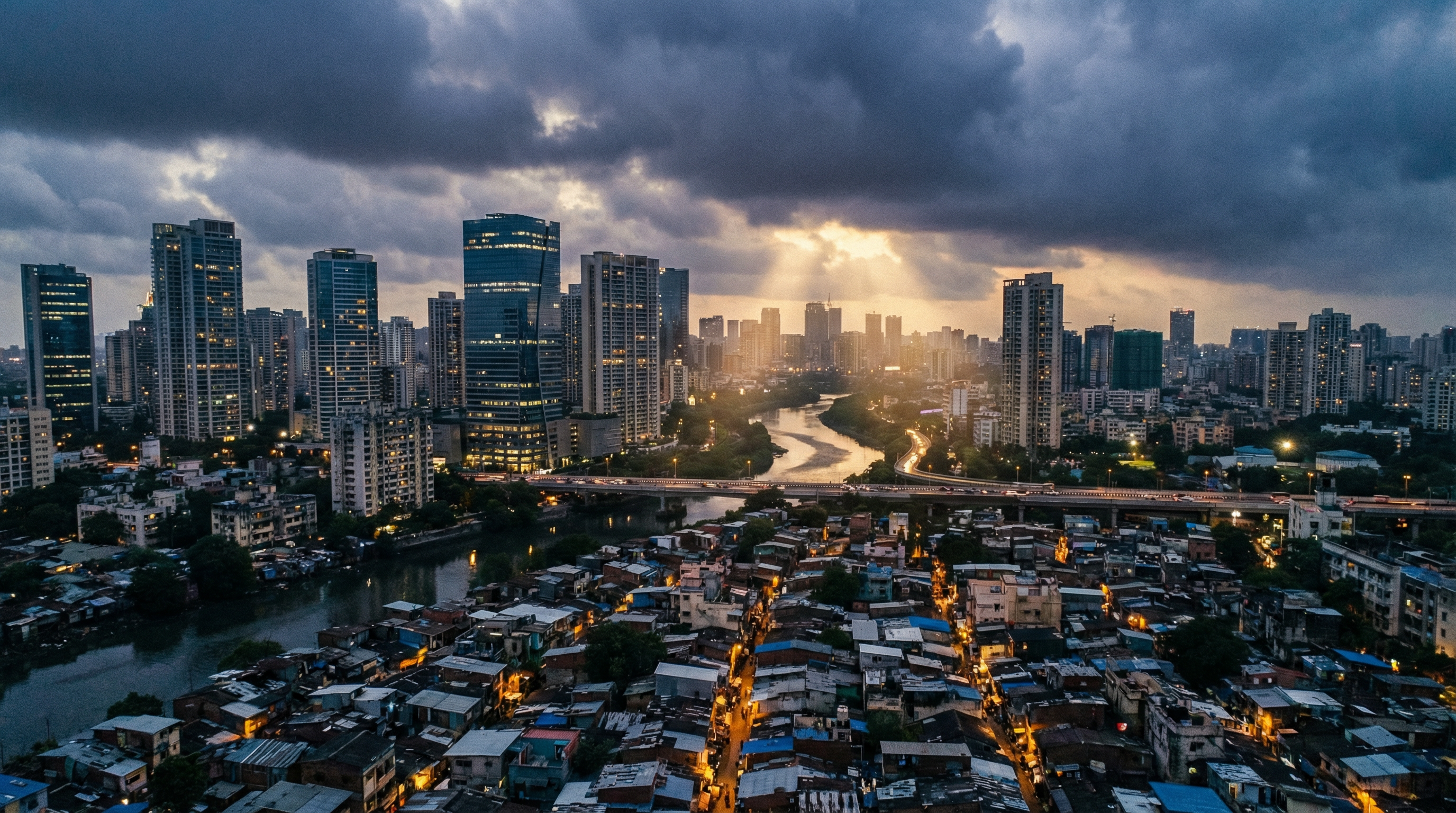
In India, cities are expected to accommodate 600 million additional people by 2050. Indian urban areas already contribute 70% of national GDP. But urban growth has been accompanied by an expansion of slums. Mumbai, Chennai, and Delhi are among the cities with the largest concentrations of people living in precarious housing.
---
Air Quality: A Major Health Challenge
Air pollution is one of the most serious problems associated with rapid urbanization in Asia-Pacific. According to the WHO, 9 of the 10 most polluted cities in the world are in South Asia. Air pollution causes millions of premature deaths each year in the region.
The sources of pollution are multiple: transportation, industry, construction, and in some regions, the burning of biomass for cooking and heating. Cities that have successfully significantly reduced their air pollution, such as Beijing, have had to combine strict regulatory measures, massive investments in public transport, and a transition to cleaner energy sources.
---
Urban Development Models
Faced with these challenges, different urban development models are emerging. China has adopted a centralized planning approach, with massive investments in transport, housing, and public service infrastructure. But this model, driven by the central state, is not directly transferable to countries where administrative and financial capacities are more limited.
The UNDP-ADB report highlights that the 1.2 billion new city dwellers expected by 2050 will arrive in cities that already struggle to provide adequate services to their current population. The way these cities prepare for this growth will determine the living conditions of hundreds of millions of people. The question is not whether urbanization will continue — it is inevitable — but whether it will produce cities where residents have access to decent housing, protected employment, and breathable air.