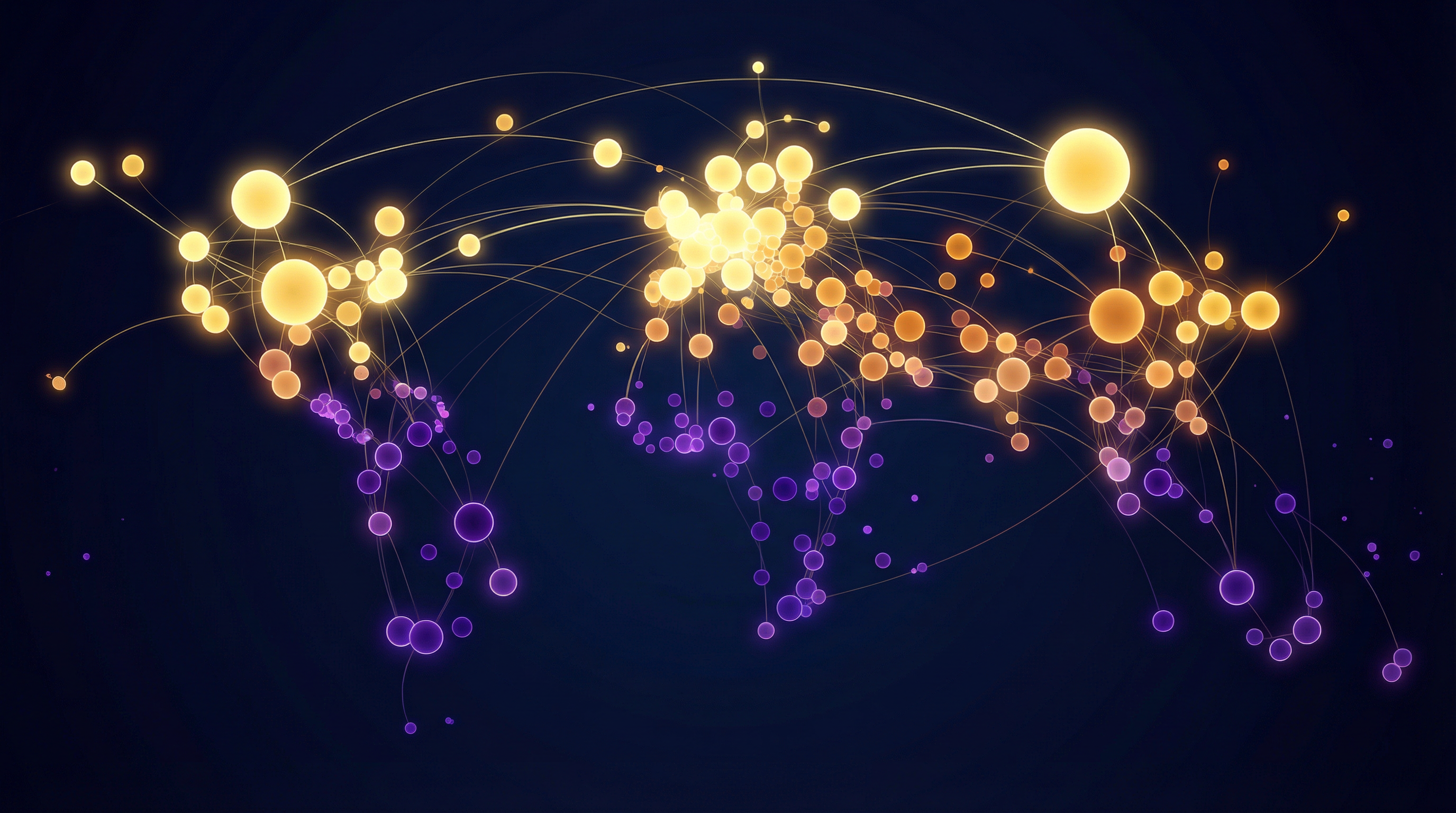
Marine sanctuaries and the blue economy: ocean protection increases from 8.2% to 9.9% in 2025, the largest annual rise ever recorded
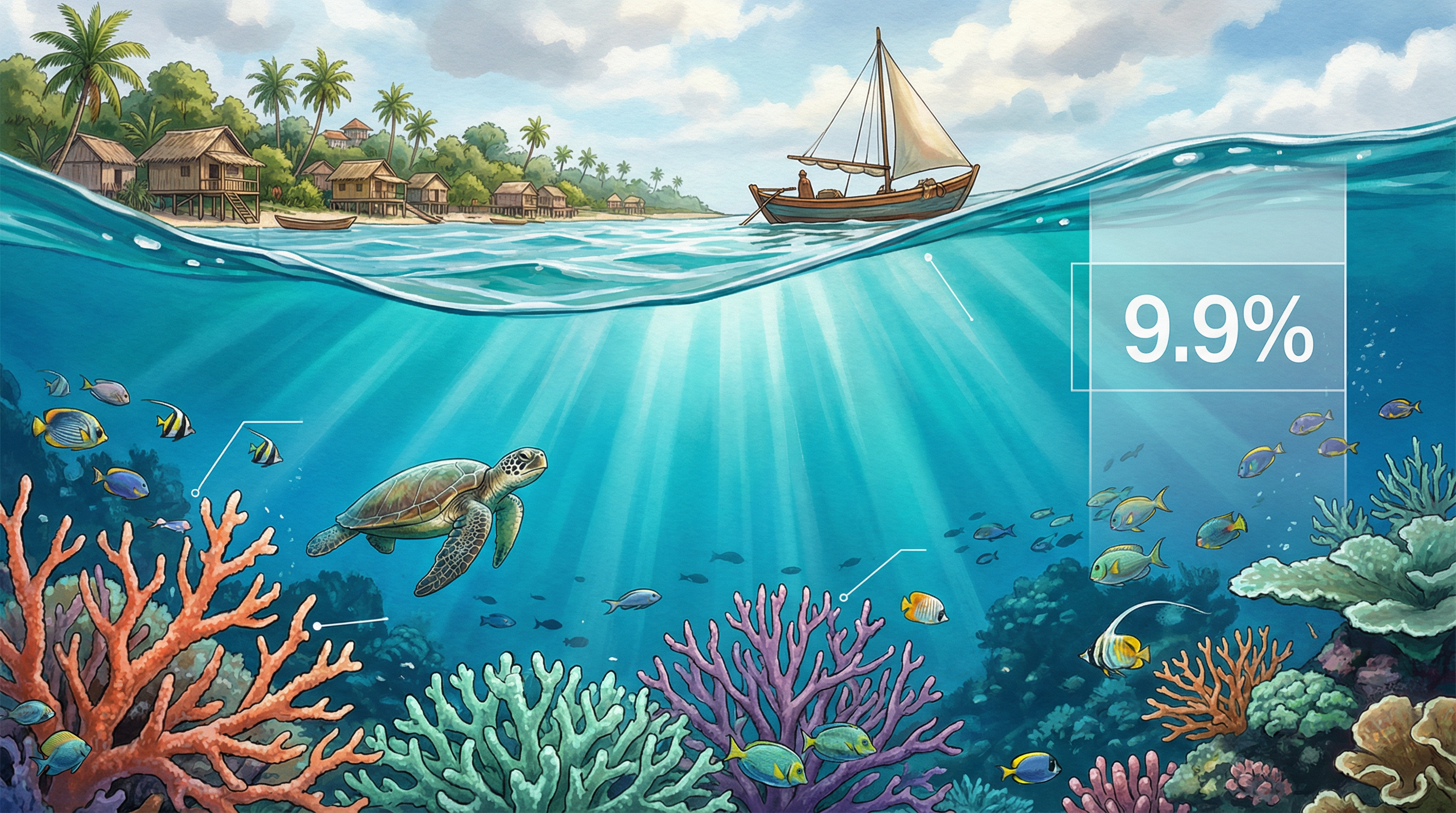
9.9% of Oceans Protected by End of 2025, Up from 8.2% a Year Earlier
According to the Marine Protection Atlas, the global ocean surface under a protection regime reached 9.9% by the end of 2025, up from 8.2% at the end of 2024. This 1.7 percentage point increase in a single year is the largest ever recorded. It is primarily due to the designation of new marine protected areas (MPAs) in the high seas, made possible by the entry into force of the BBNJ (Biodiversity Beyond National Jurisdiction) treaty in 2025.
Among the new protected areas are the Mid-Atlantic Ridge marine sanctuary (proposed by the European Union), a major extension of the Pitcairn Islands Marine Reserve (United Kingdom), and several community-based protection zones in the South Pacific.
The BBNJ Treaty Allows for the First-Ever Protection of the High Seas
The international goal, set by the Kunming-Montreal Global Biodiversity Framework (COP15, December 2022), is to protect 30% of oceans by 2030 — the so-called "30x30" target. For years, progress has been slow: from 3.6% in 2015 to 8.2% in 2024, less than one percentage point per year.
The acceleration in 2025 changes the dynamic. If this pace were maintained, the 30% target could theoretically be reached by 2037 — behind schedule, but within a realistic order of magnitude. The BBNJ treaty, which for the first time allows for the creation of protected areas in the high seas (beyond states' exclusive economic zones), is the determining factor in this acceleration.
The economic benefits of marine protection are increasingly well-documented. A study published in Nature in 2024 estimates that every dollar invested in marine protection generates between 3 and 10 dollars in economic benefits (sustainable fishing, tourism, carbon sequestration, coastal protection).
Only 3.1% of Oceans Are Under Strong Protection; the Rest Allows Extraction
The 9.9% figure deserves to be broken down. According to the Marine Protection Atlas analysis, only 3.1% of oceans are under "strong" or "full" protection (total prohibition of fishing and extraction). The remaining 6.8% are under partial protection regimes that allow certain extractive activities.
The quality of protection is as variable as its quantity. Some MPAs exist "on paper" but lack both surveillance means and effective sanctions. The IUCN estimates that approximately one-third of declared MPAs worldwide do not have an operational management plan.
The 30% target by 2030 remains very ambitious. It would require protecting approximately 20 additional percentage points in 4 years — an unprecedented pace. Negotiations on high seas areas are complex, as they involve interests in industrial fishing, deep-sea mining, and national sovereignty.
The 2025 increase is an encouraging and verifiable signal. However, it does not guarantee that the pace will be maintained, nor that the declared protection will translate into effective conservation of marine ecosystems.
Sources
- Marine Protection Atlas. Global Marine Protection data and tracking. Marine Conservation Institute.
- Nations Unies. Accord BBNJ sur la conservation et l'utilisation durable de la biodiversité marine des zones ne relevant pas de la juridiction nationale.
- Nowakowski, A.J. et al. (2023). Co-benefits of marine protected areas for nature and people. Nature Sustainability.