A Chinese Water Battery Challenges Classical Accumulator Longevity
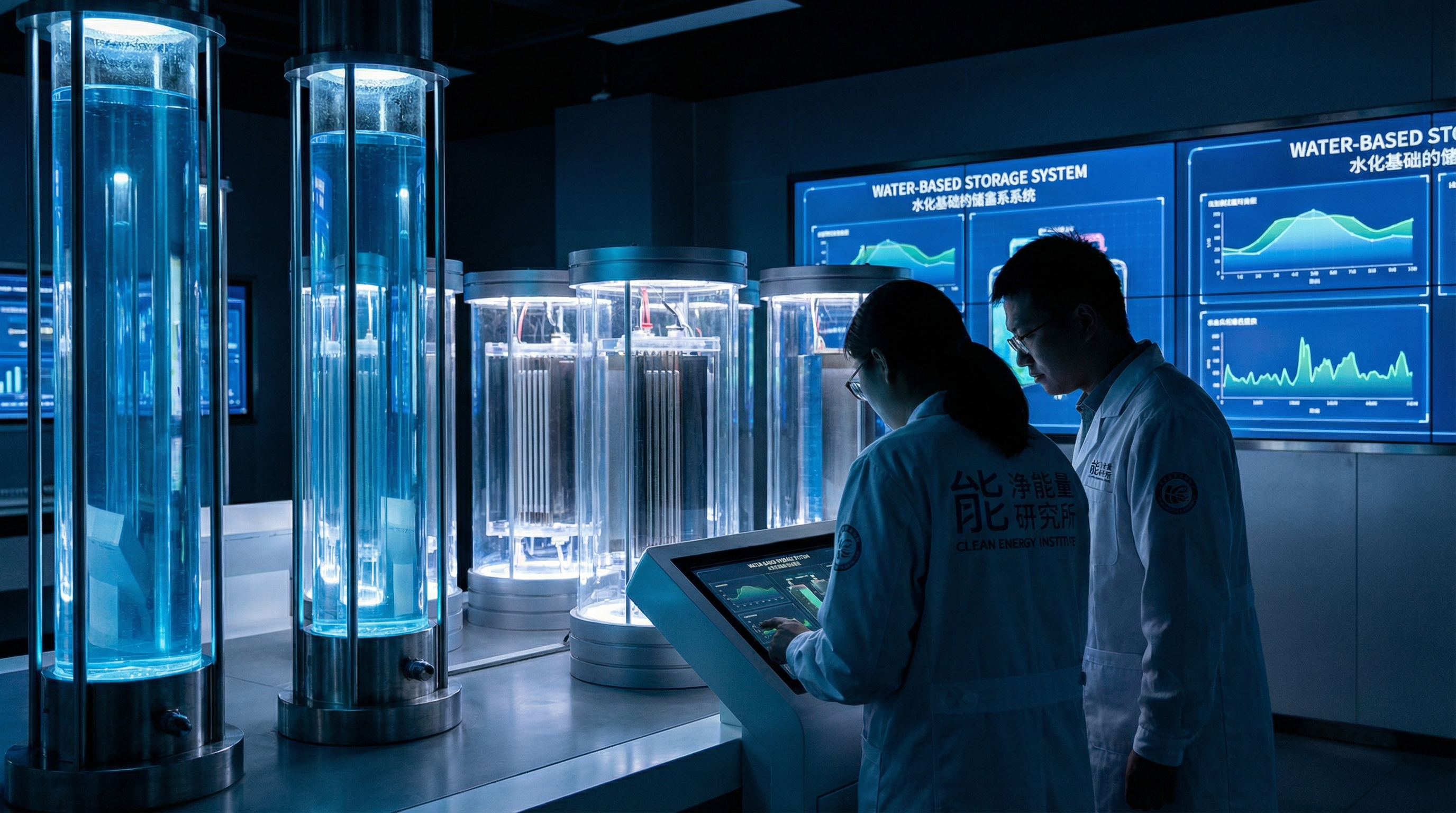
An Innovative Technical Design for 120,000 Cycles
A new water-based battery developed in China has demonstrated exceptional durability, withstanding 120,000 charge cycles. This performance exceeds by more than ten times the lifespan of the best lithium-ion batteries used for grid storage.
The Tofu Brine Electrolyte
Researchers from the City University of Hong Kong and the Southern University of Science and Technology published a major advance in energy storage in February 2026. They developed a water-based battery using tofu brine as an electrolyte—a neutral, non-toxic solution that avoids the acidic or alkaline electrolytes that cause degradation in conventional aqueous batteries.
The battery uses organic electrodes and a neutral electrolyte, making it inherently safer and easier to dispose of than lithium-ion batteries. The tofu brine electrolyte is not merely a curiosity: its neutral pH prevents the side reactions that typically limit aqueous battery lifespan.
Why 120,000 Cycles Matters
Current lithium-ion batteries used in grid storage applications typically last 3,000–6,000 cycles before significant capacity degradation. At one cycle per day, that represents 8–16 years of service life. The water battery's 120,000 cycles would represent over 300 years at the same rate—effectively eliminating battery replacement as a cost factor in grid storage.
The practical implication: if this technology scales, the economics of grid-scale energy storage change dramatically. The dominant cost in current battery storage systems is the battery itself, which must be replaced multiple times over the life of a solar or wind installation.
Current Limitations
The water battery currently has lower energy density than lithium-ion—it stores less energy per unit of weight and volume. This makes it unsuitable for applications where weight matters, such as electric vehicles or portable electronics. But for stationary grid storage, where weight is irrelevant, energy density is less important than cost and longevity.
The technology is also at an early stage: the 120,000-cycle result was demonstrated in laboratory conditions, and scaling to grid-relevant sizes will require significant engineering work.
The Path to Commercialization
The researchers estimate 5–10 years to commercialization at grid scale, assuming continued investment and no major technical obstacles. Several Chinese battery manufacturers have expressed interest in licensing the technology.
If successful, this could represent a significant shift in the global energy storage market—currently dominated by lithium-ion technology and the supply chains that support it.